
Tyler Mason, June 2026
One of the best times of year to catch a pile of bass in a short amount of time is happening right now. Once the water temperature starts hitting that 65–70 degree range, it’s time to start getting on the water extra early. The shad spawn is a very short feeding window that usually only lasts 30 minutes to an hour once the sun starts coming up, but when it’s happening, the fishing can be unreal.
You’ll know you’re around a shad spawn when you start seeing shad flickering on the surface and getting blown up by all kinds of fish. Another good sign is when shad begin following or reacting to your lure as you’re retrieving it. In this blog, we’re going to cover everything from how to locate active shad spawn areas to the best rods, lures, and techniques to capitalize on this short but exciting bite.
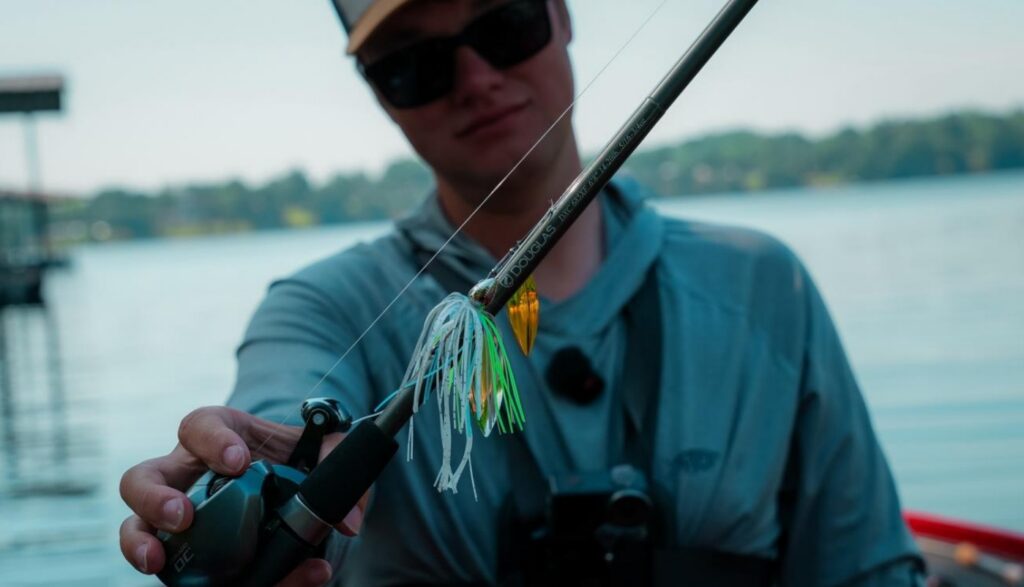
How To Locate the Shad Spawn
Once the water temperature reaches that 65–70 degree range and most bass are finishing up spawning, it’s time to start searching. One of the best ways to locate a shad spawn is simply by getting out on the water, idling around, and using your eyes.
Look for different types of cover like seawalls, docks, walkways, steep grass edges, and hard-bottom points. These are all prime areas where shad like to spawn. When you find the right area, you’ll usually see the shad flickering on the surface or getting chased by feeding fish.
Marinas can be especially productive because they allow you to cover a lot of water quickly. Idle through and pay attention to the sides of docks, cables, and even the sides of boats where shad will often group up. Just make sure to place your casts carefully and respectfully around other people’s boats.
Grass edges can also be key. If you find a steep grass line, there’s a good chance you’ll see shad spawning right along the edge of it early in the morning.
Now, once you’ve located a shad spawn, how do you know if it’s actually a productive one? Since many bass are still in that post-spawn phase, it’s important to focus on areas close to spawning pockets where bass are looking to feed back up. The best stretches will have bass actively feeding on the shad, often blowing up on the surface.
In those situations, you can throw a topwater bait into the activity and catch fish quickly. If you aren’t seeing bass feeding or you’re not getting bites within a short amount of time, it’s usually best to move and keep searching. The shad spawn window is short, so efficiency is everything.
The goal is to find that perfect stretch where bass are aggressively feeding and you can put a bunch of fish in the boat fast.
The Best Rods and Lures For Fishing the Shad Spawn
Once you’ve found an active shad spawn area, it’s time to start covering water and taking advantage of the short feeding window. During the shad spawn, bass are keyed in on small baitfish, so matching the size and action of the shad is extremely important. The biggest key is having multiple setups ready so you can quickly adjust based on how the fish are feeding.
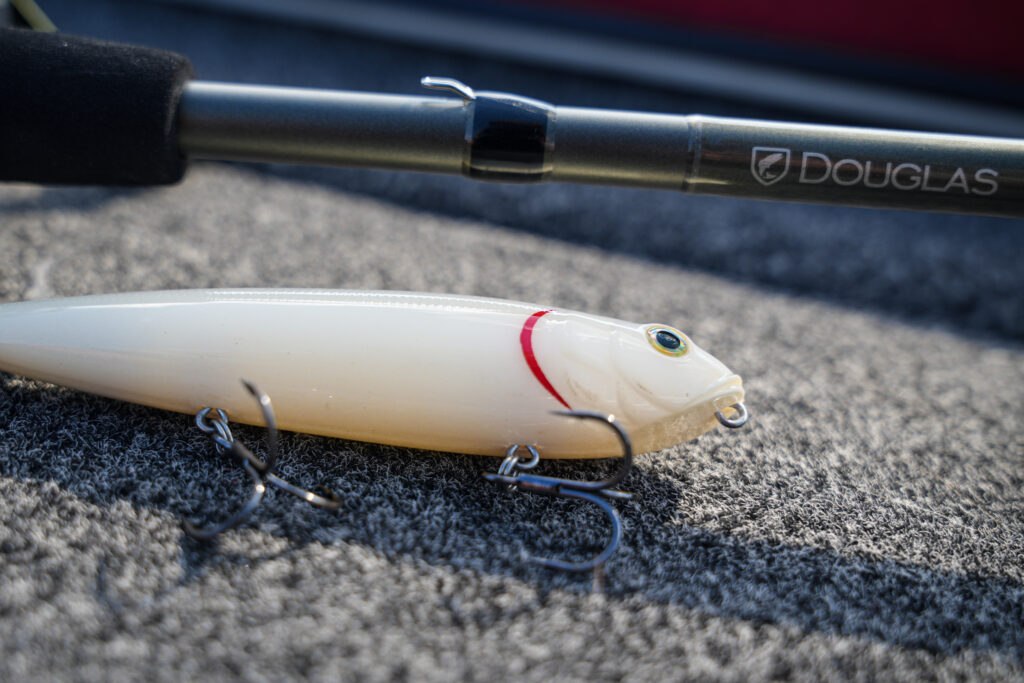
Topwater Baits
One of the most exciting ways to fish the shad spawn is with topwater baits. Early in the morning when bass are actively blowing up on shad, a popper or small walking bait can produce some of the best bites.
For this technique, the DXC 724F is a perfect setup. It is a 7’2 foot medium fast action. It has enough tip to work smaller topwater baits easily while still having plenty of backbone to keep fish pinned up close around docks, grass edges, and tight cover. This rod really shines with smaller walking baits and poppers that imitate spawning shad.
A lot of times during the shad spawn, bass are feeding so aggressively that you can simply cast around visible activity and get bit almost immediately. Focus on making long casts parallel to seawalls, grass lines, and docks to keep your bait in the strike zone as long as possible.
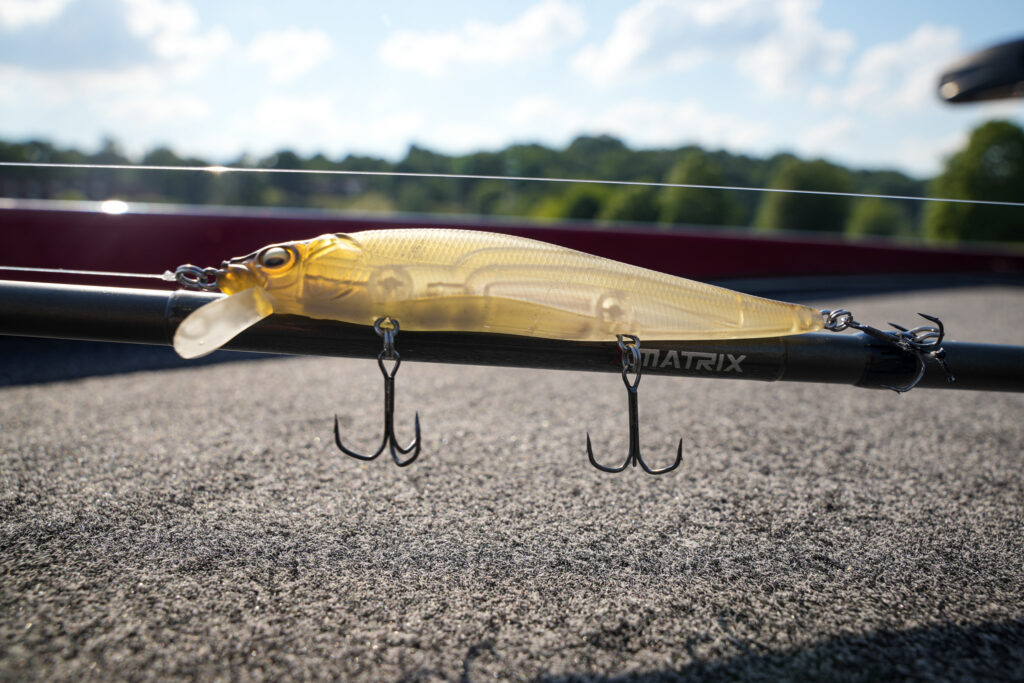
Spinnerbaits and Chatterbaits
If the fish stops committing to topwater or the wind starts picking up, this is when a spinnerbait or chatterbait can absolutely take over. These moving baits do an incredible job of imitating small groups of shad and allow you to cover water quickly.
The ERA C715F Spinnerbait/Chatterbait Rod is ideal for this style of fishing because it has the power needed to drive hooks home while still loading up well on moving baits. Whether you’re slow-rolling a spinnerbait down a grass edge or burning a chatterbait down a seawall, this rod gives you the versatility needed for both techniques. It is also one of the best $100 chatterbait/spinnerbait rods on the market.
White and shad-colored patterns are hard to beat during the spawn, especially around low-light conditions early in the morning. One of the best things about these baits is their ability to trigger reaction strikes from bass that are actively feeding but may not fully commit to topwater.
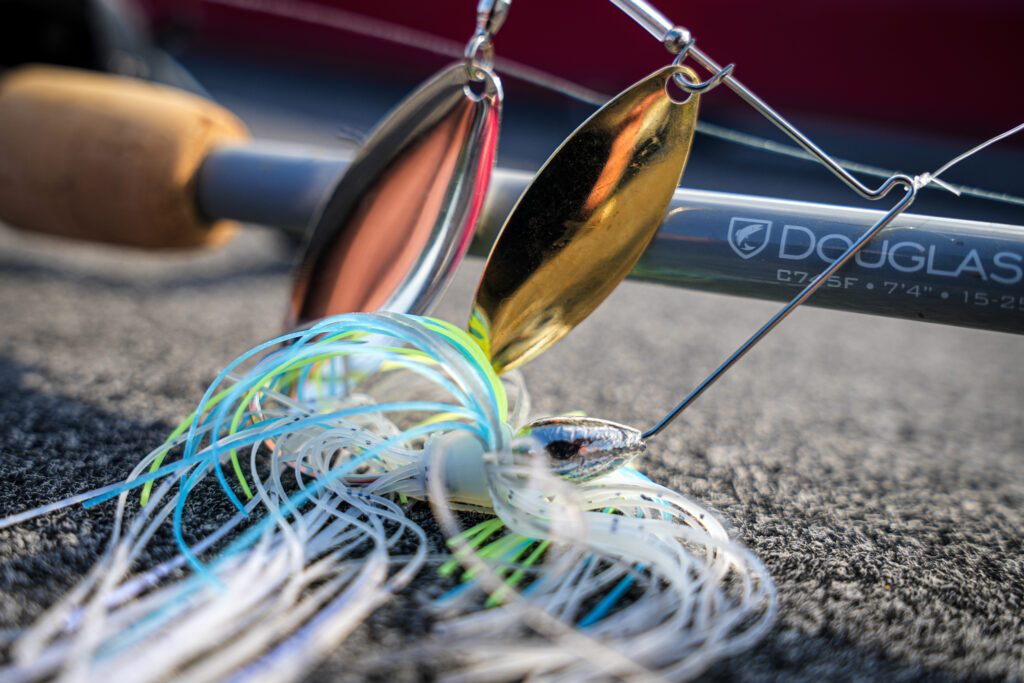
Jerkbaits
A jerkbait is another underrated player during the shad spawn, especially when fish are feeding slightly under the surface or following bait without fully committing. A jerkbait allows you to imitate an injured shad and keep the bait in the strike zone longer.
The DXC 684F is an awesome setup for this technique because it provides the perfect balance of tip and control for working a jerkbait efficiently. Around marinas, docks, and hard-bottom points, this setup can be deadly when fish are suspended just under active schools of shad.
A lot of anglers put the jerkbait down once spring starts transitioning toward summer, but during the shad spawn it can still be one of the best tools to get extra bites from pressured fish.
Small Swimbaits
When the bite gets tougher or bass becomes more selective, downsizing to a small swimbait can make a huge difference. Small paddle-tail swimbaits are one of the most natural presentations you can throw around spawning shad because they perfectly imitate the size and movement of the baitfish bass are feeding on.
The DXS 703MF is a great choice for this technique. It allows you to make long casts with lighter swimbaits while still maintaining excellent control during the fight. This setup excels around clear water, pressured fish, and areas where bass are feeding on smaller shad.
A small swimbait is also an excellent follow-up bait when fish miss a topwater lure. A lot of times you can fire that swimbait right back into the area and get an instant bite.
Recap
The shad spawn is one of the most exciting and fast-paced bites of the entire year. Even though the feeding window is short, it can produce some of the best fishing of the season if you hit it at the right time.
The biggest keys are getting on the water early, covering water efficiently, and paying attention to where the most active bait is located. Once you find bass actively feeding, having multiple techniques rigged up lets you adjust quickly and maximize the opportunity before the bite slows down.
Whether it’s throwing a topwater around marina docks, burning a spinnerbait down a grass edge, twitching a jerkbait around hard cover, or cleaning up missed fish with a small swimbait, the shad spawn gives anglers a chance to catch a lot of quality bass in a very short amount of time.